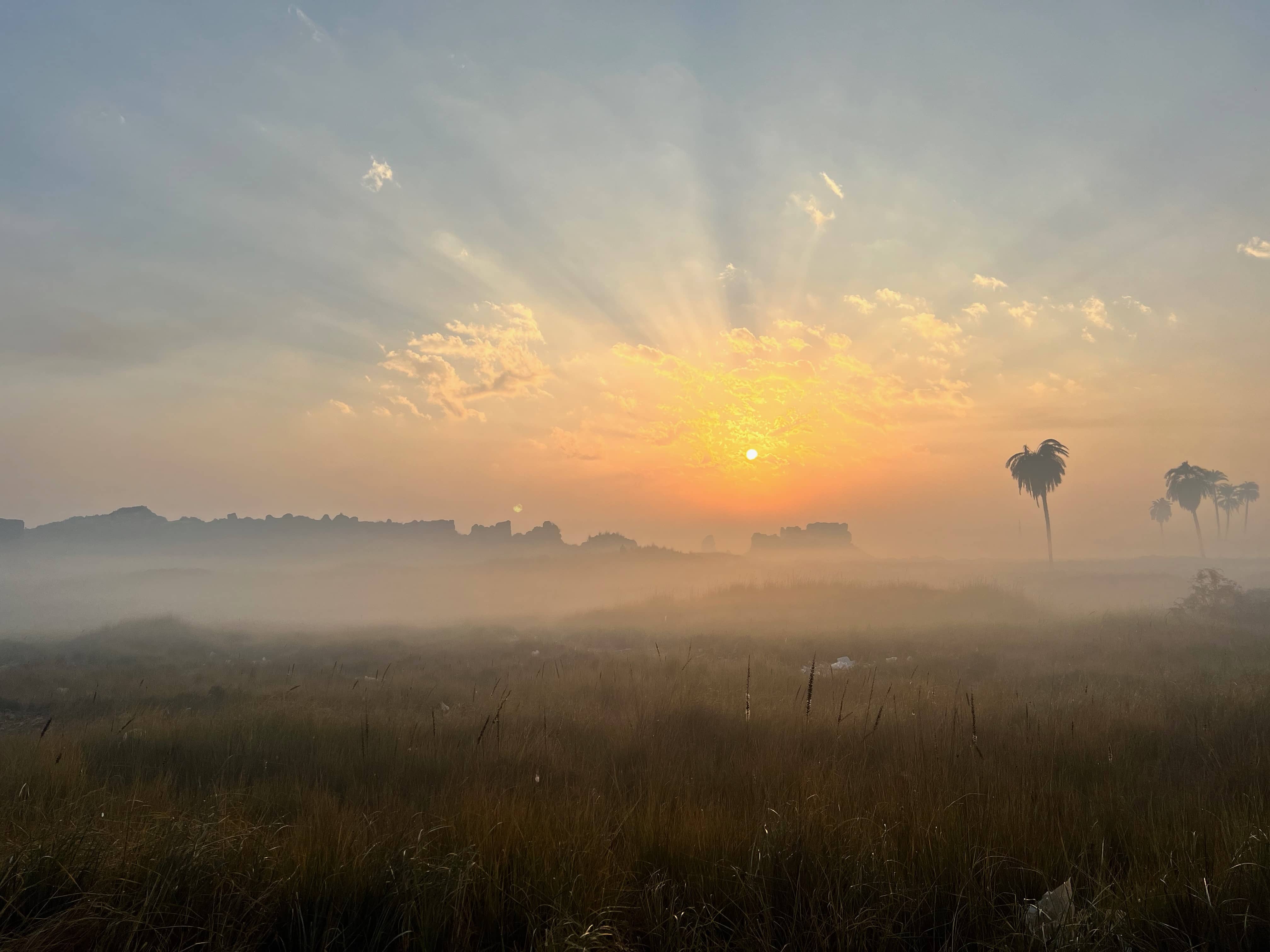
Aigyptos: A Center for Studying and Conserving the Archaeological Record of Middle Egypt
Bringing together scholars to uncover the history between Memphis and Luxor.
Bringing together scholars to uncover the history between Memphis and Luxor.
Middle Egypt – the region that includes the modern governorates of Fayoum, Beni Sueif, Minya, and Assiut – has not been as intensively studied as areas like Luxor. Yet it holds significant potential for understanding the area situated between ancient Egypt’s two great cities, Memphis and Luxor.
Indeed, Middle Egypt is home to Amarna, the city of Akhenaten and Nefertiti, as well as Oxyrhynchus, a city whose rubbish dumps have brought much Greek literature back to life.
Aigyptos seeks to serve as a center for bringing together scholars of Middle Egypt and supporting archaeological and conservation projects in the region.
.jpg)
The City of the Baboon Project
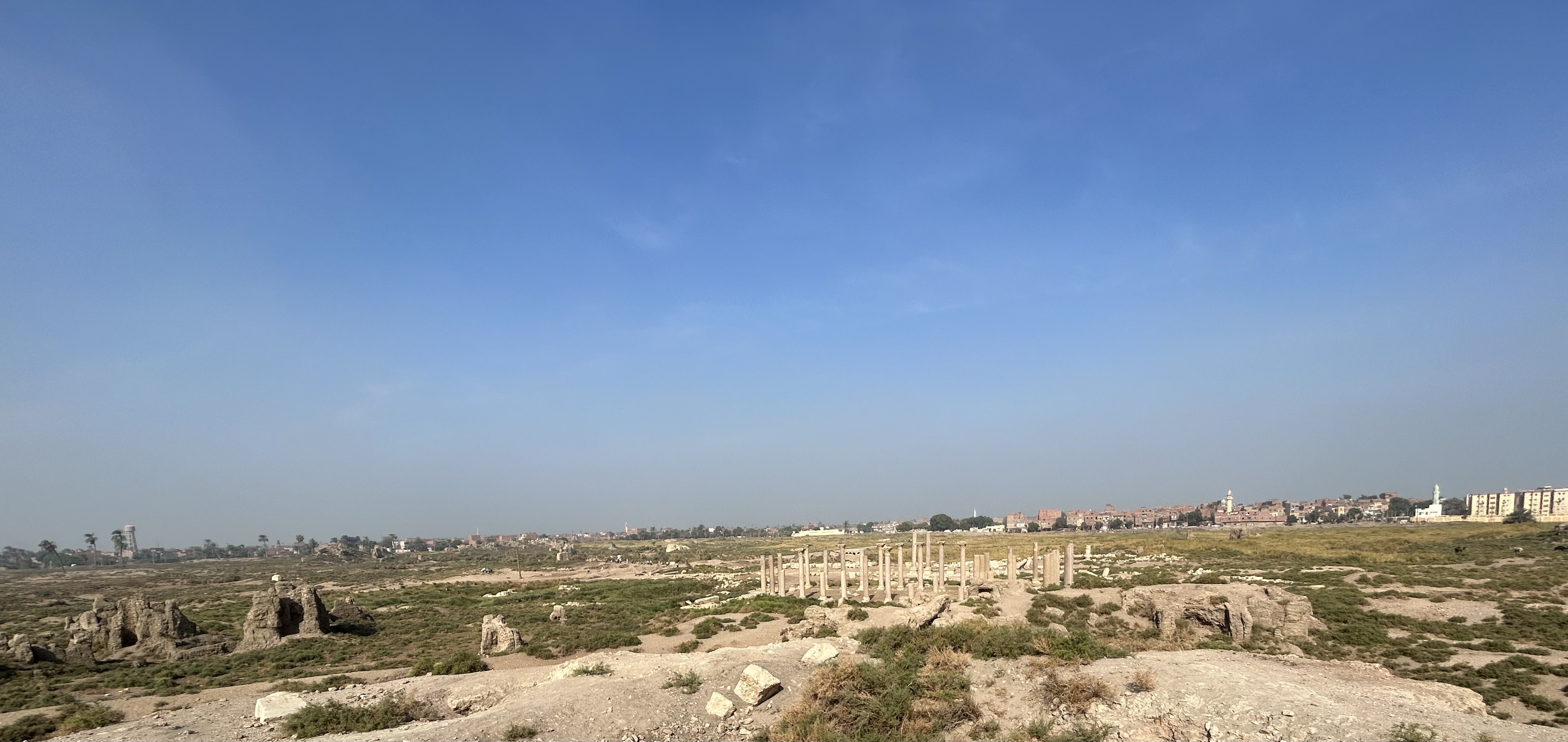
The Aigyptos Institute currently sponsors the City of the Baboon Project at el-Ashmunein (Hermopolis Magna). This multi-faceted endeavor is aimed at understanding the site's long history and preserving its monuments.
Known in ancient Egyptian as Khemenu ("City of the Eight"), Hermopolis Magna was a cult center of Thoth, the god of wisdom and writing, often shown as a baboon. During the reign of Amenhotep III (Dynasty XVIII), a number of colossal baboon statues were erected in the city.
The Greeks associated Thoth with their god Hermes, for whom the city was named during the Greco-Roman period.
.jpg)
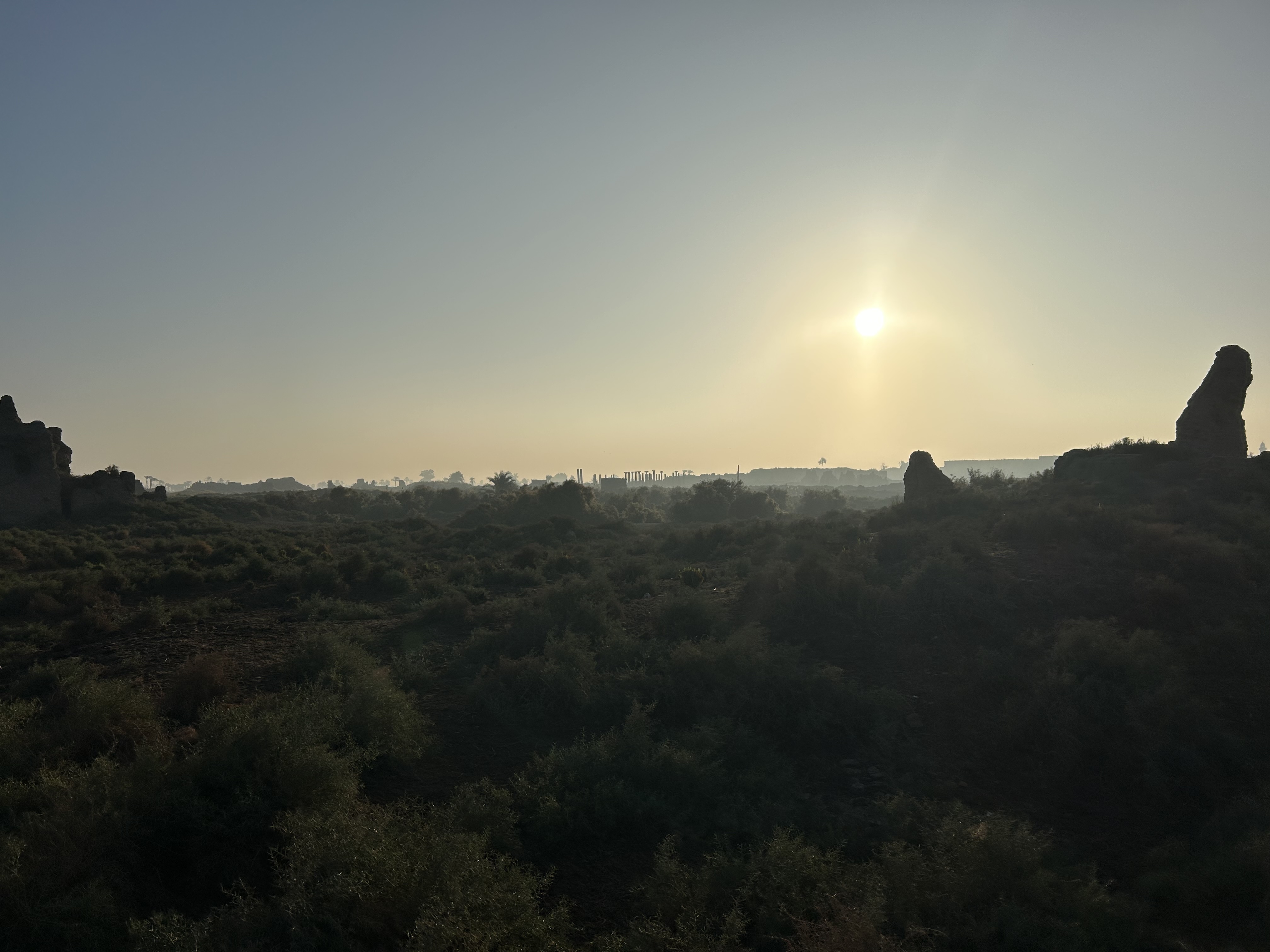
Located in Middle Egypt near the modern town of El-Ashmunein, the site holds immense religious significance as the mythological site of the creation of the world by the Ogdoad. Today, it represents a rich tapestry of Pharaonic, Ptolemaic, Roman, and Coptic history.
A center of ancient learning, theology, and magic that influenced the Hermetic tradition.
Home to one of the largest Christian basilicas in Egypt, built in the 5th century AD.
A bustling provincial capital with temples, baths, and administrative buildings.
The recent excavation of the top half of a colossal statue, finally reuniting it with the lower section found in 1930.
Current excavation and conservation efforts at Hermopolis Magna
The 5th-century Basilica at Hermopolis is a monumental testament to early Christianity in Egypt. Constructed using recycled stone (spolia) from earlier Ptolemaic temples, it is an architectural puzzle.
Our team is documenting the remaining columns and foundations to digitally reconstruct the church and stabilize the physical structure for future visitors.
Conservation Digital Modeling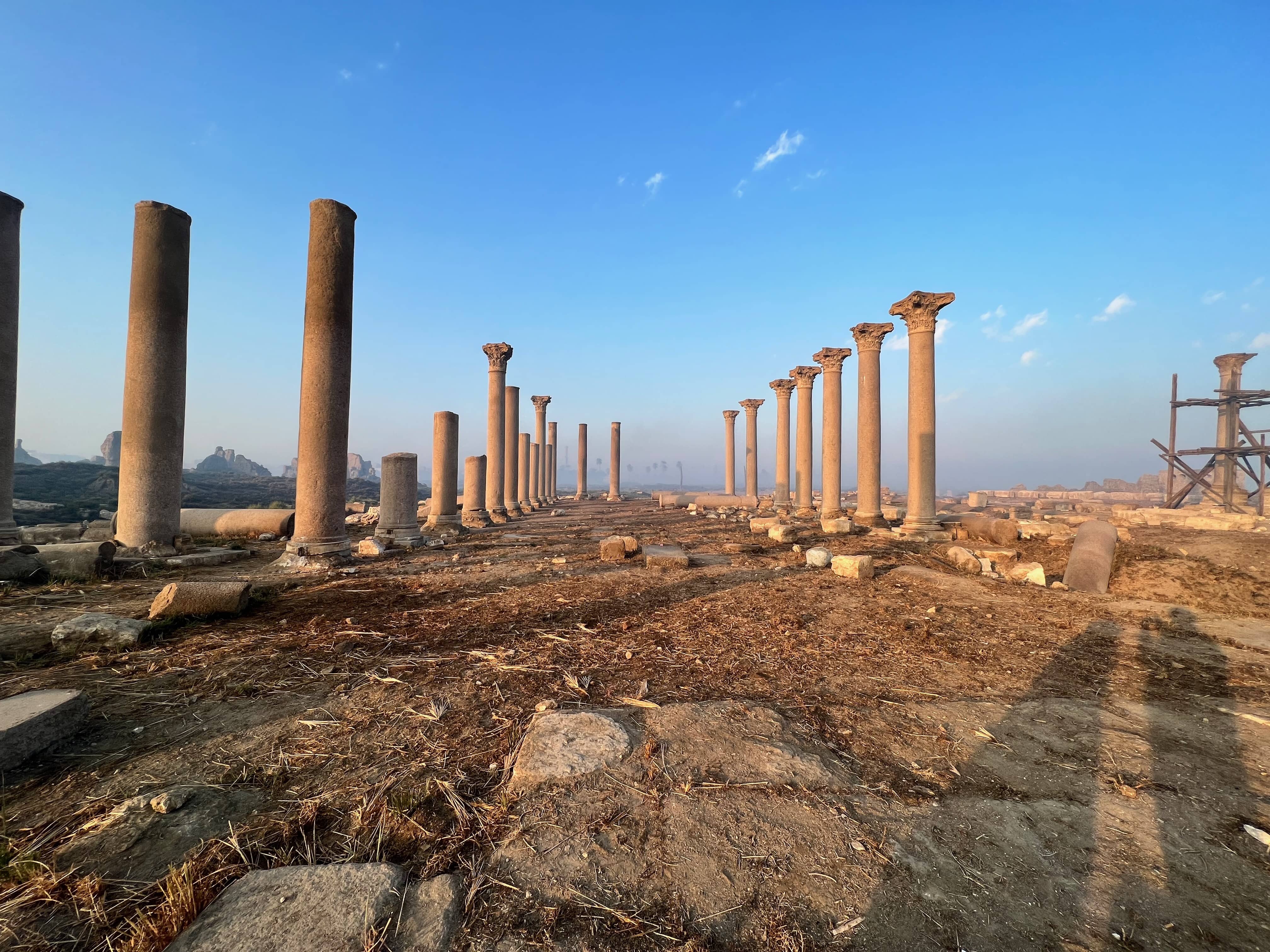
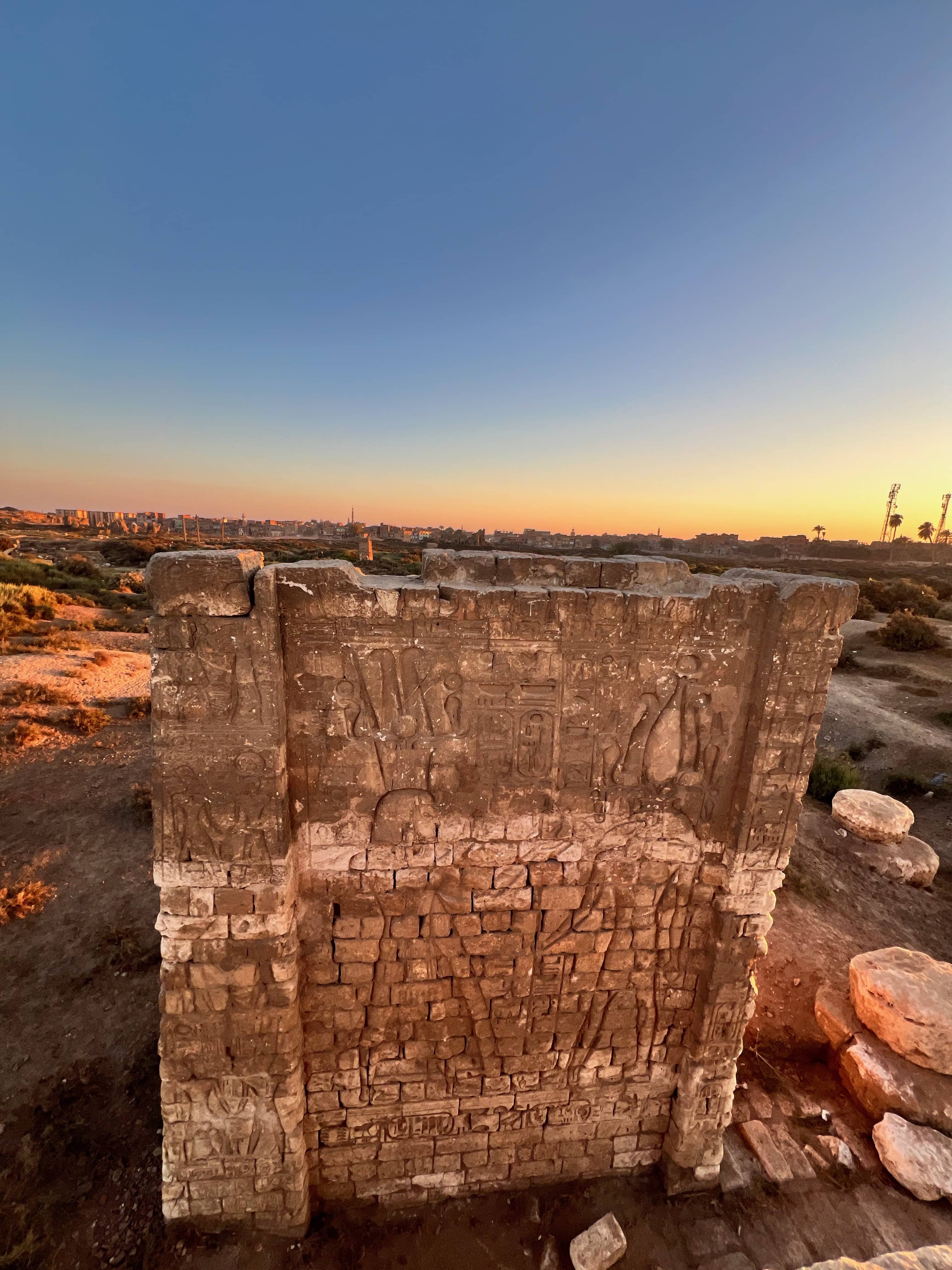
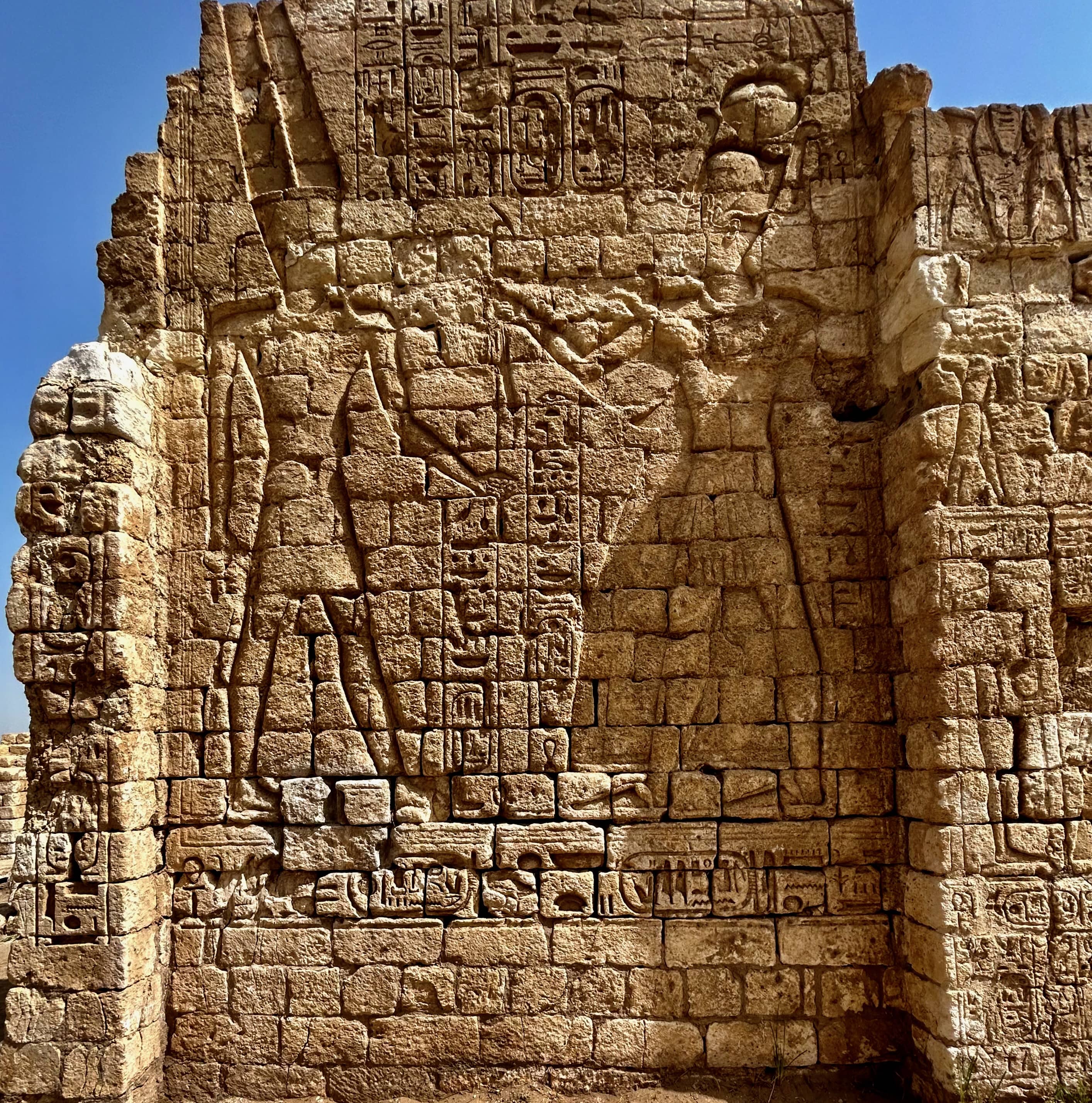
A unique structure originally built by Ramesses II, this temple was later redecorated under the Roman Emperor Nero. This unusual layering of history provides critical insight into how Roman emperors adopted Pharaonic iconography.
We are excavating the precinct to understand the continuity of cult practices from the New Kingdom into the Roman era.
Excavation Epigraphy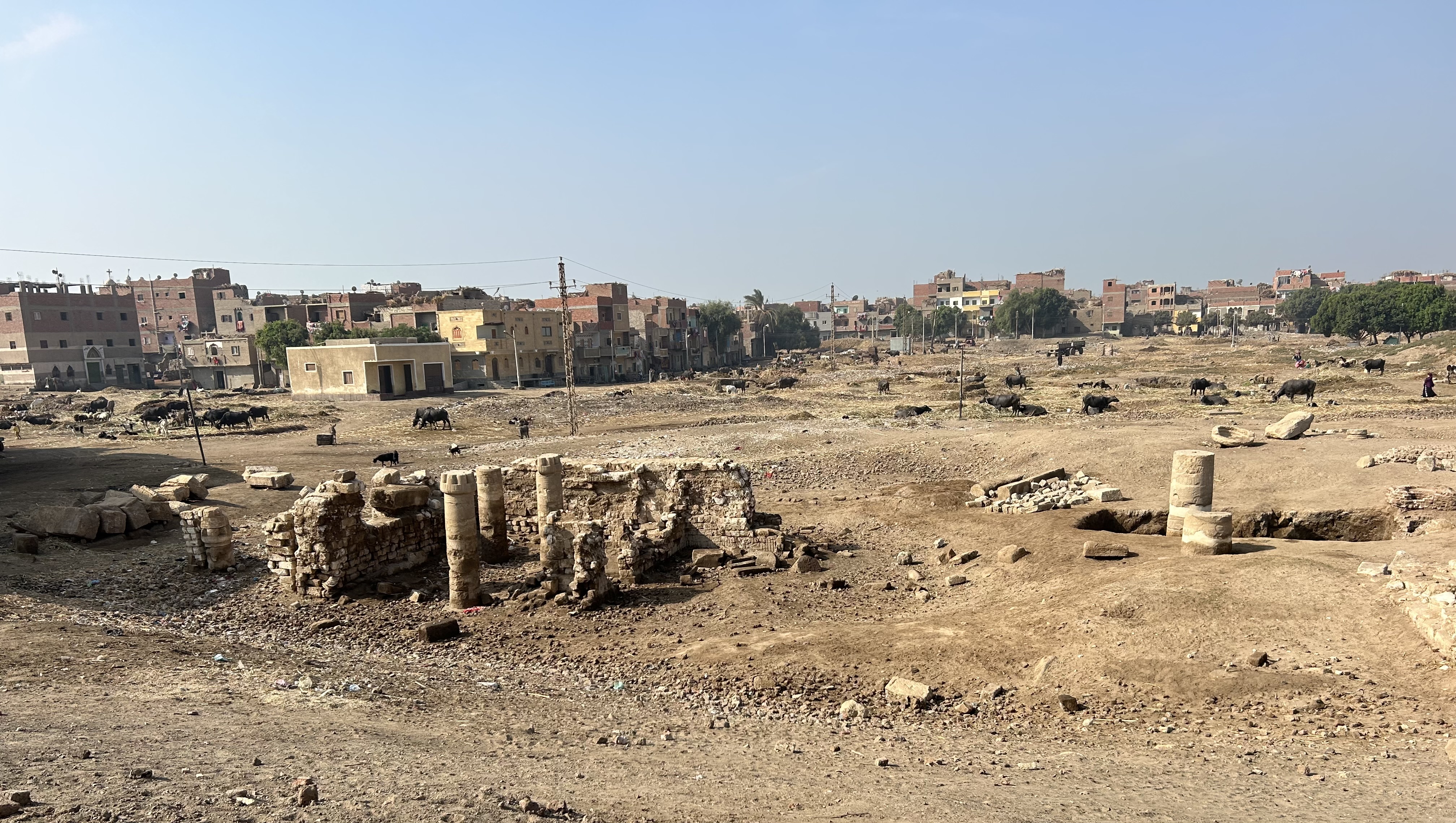
In a major discovery, the mission unearthed the upper half of a colossal statue of Ramesses II. This limestone block, standing 3.8 meters tall, matches the lower section discovered by G. Roeder in 1930.
This find allows for the potential reconstruction of the entire colossus, which would have originally stood over 7 meters tall.
Read about the discovery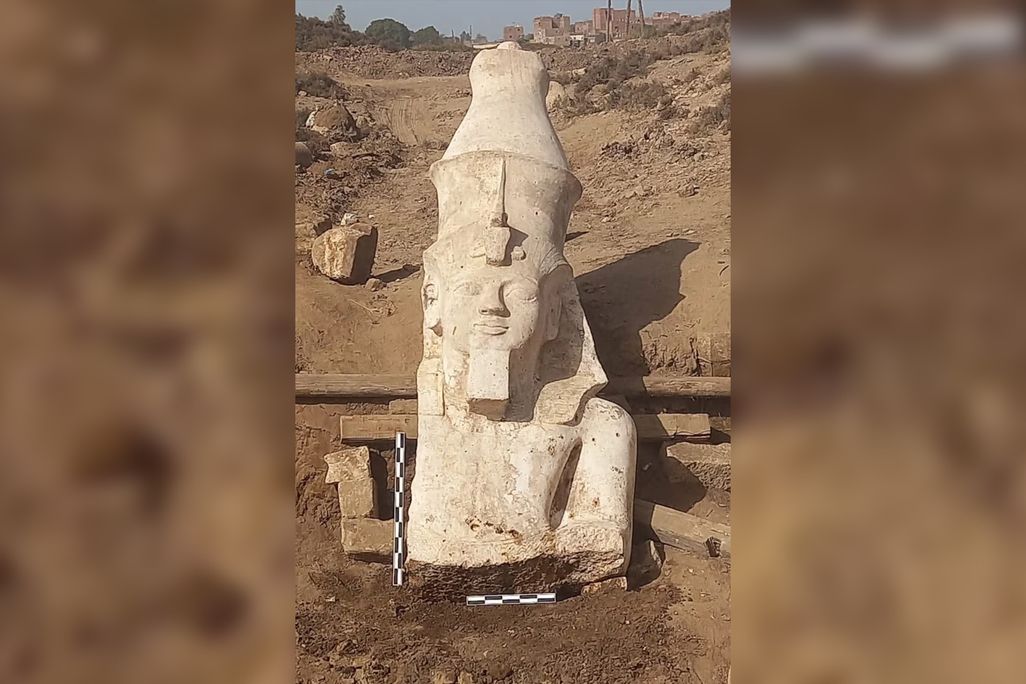
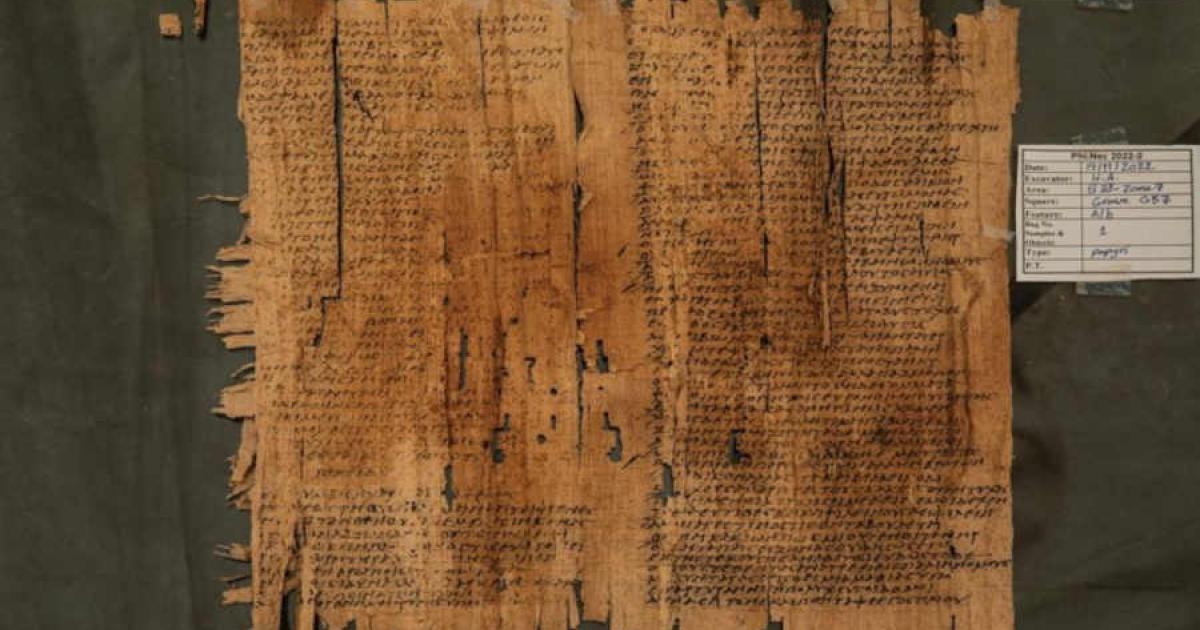
In a groundbreaking contribution to classical literature, Institute Director Dr. Yvona Trnka-Amrhein and colleague Dr. John Gibert have identified, translated, and published previously unknown fragments of the Greek tragedian Euripides.
Found by the team of Dr. Basem Gehad at the Philadelphia necropolis in Egypt, these papyrus fragments contain lost lines from the plays Ino and Polyidos. Their critical edition, published in the Journal of Papyrology and Epigraphy, offers scholars a rare glimpse into the dramatic traditions of the ancient world.
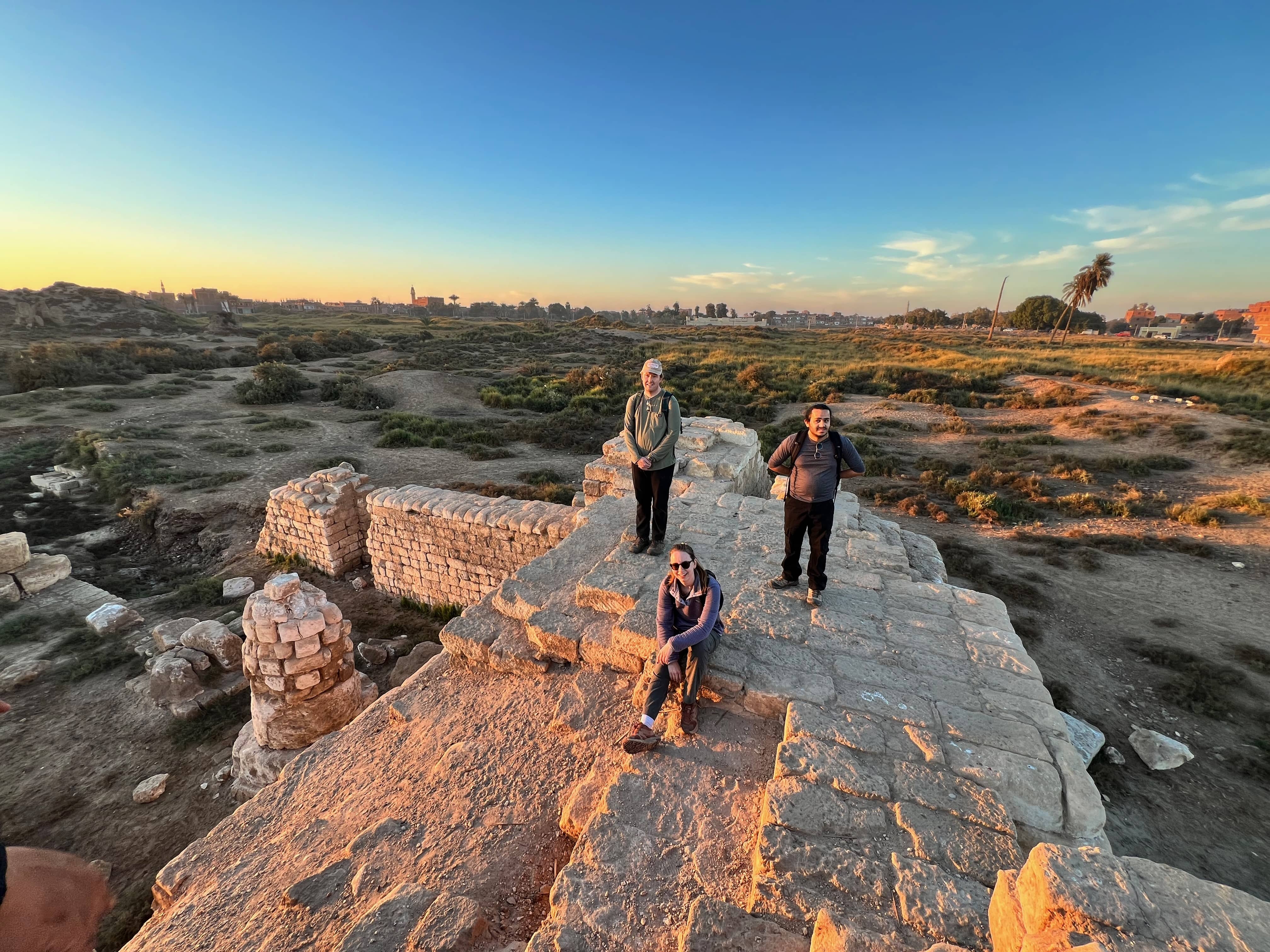
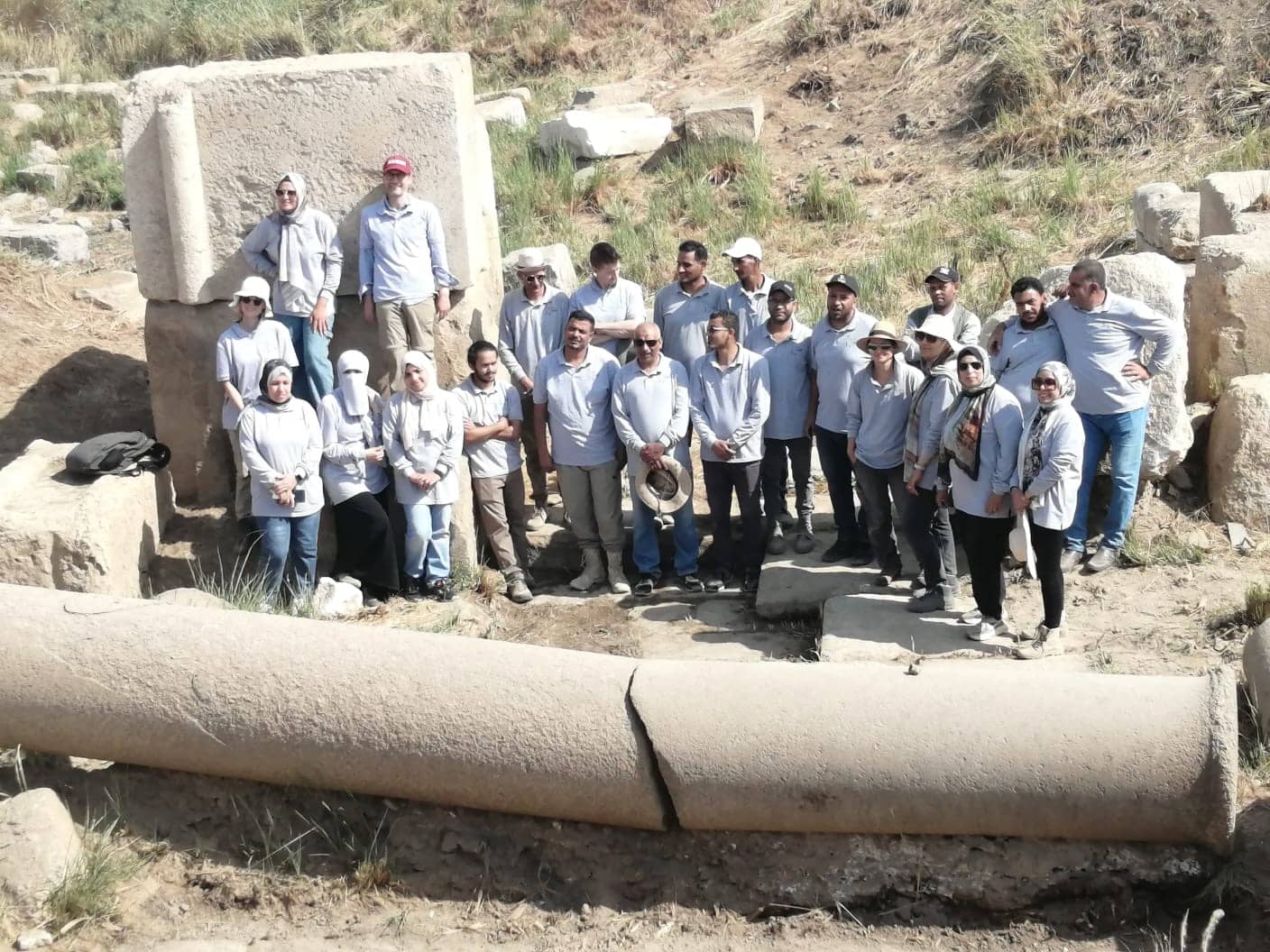
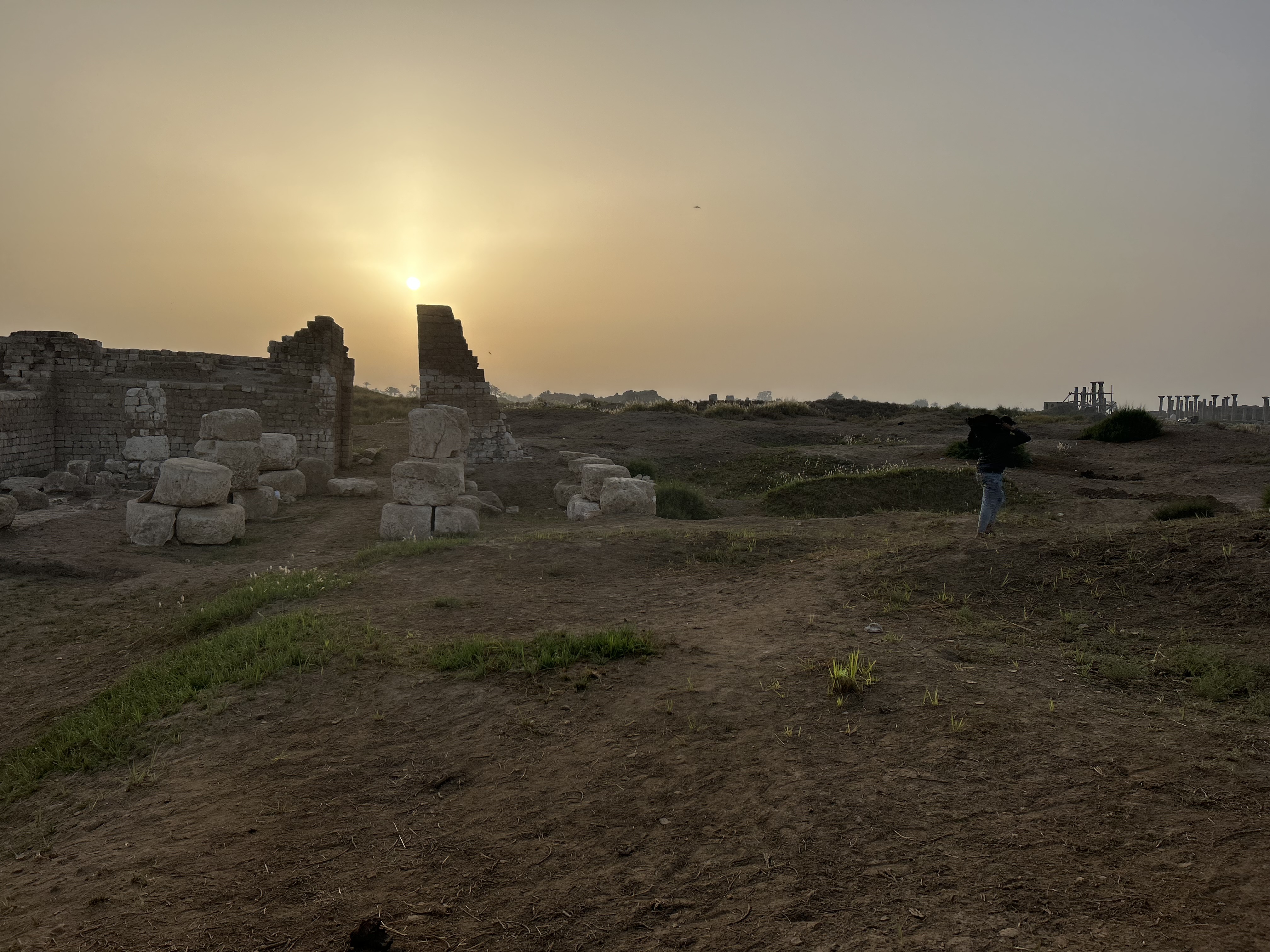
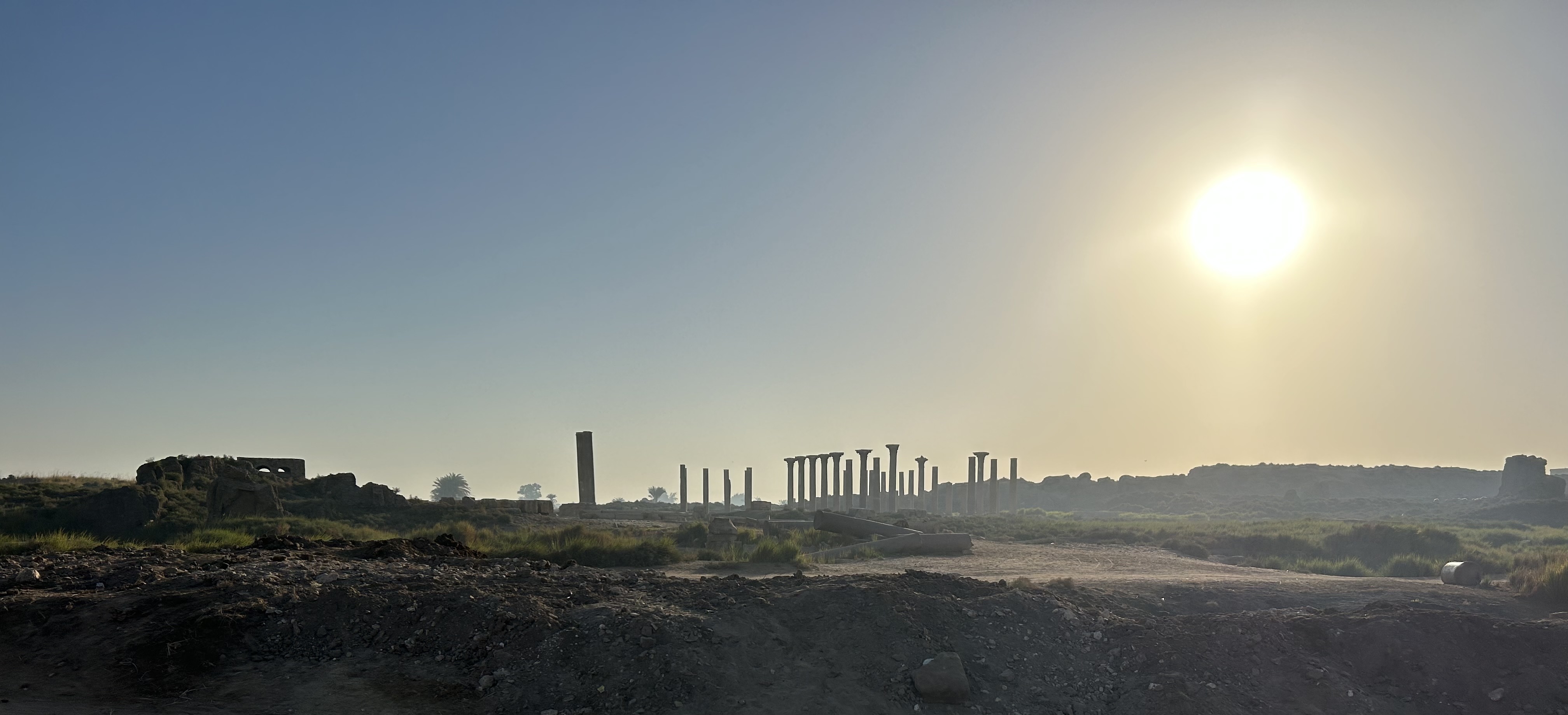
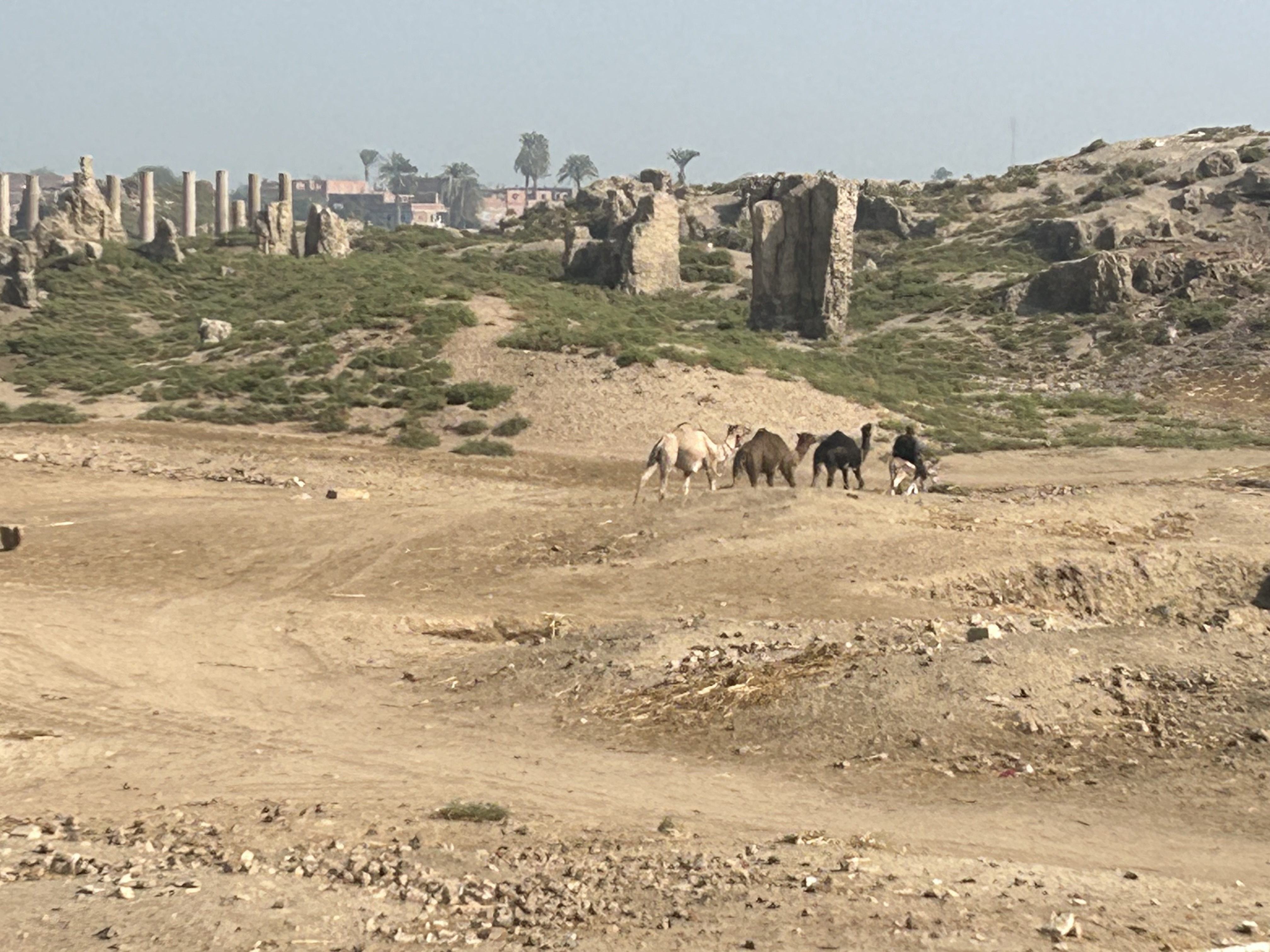
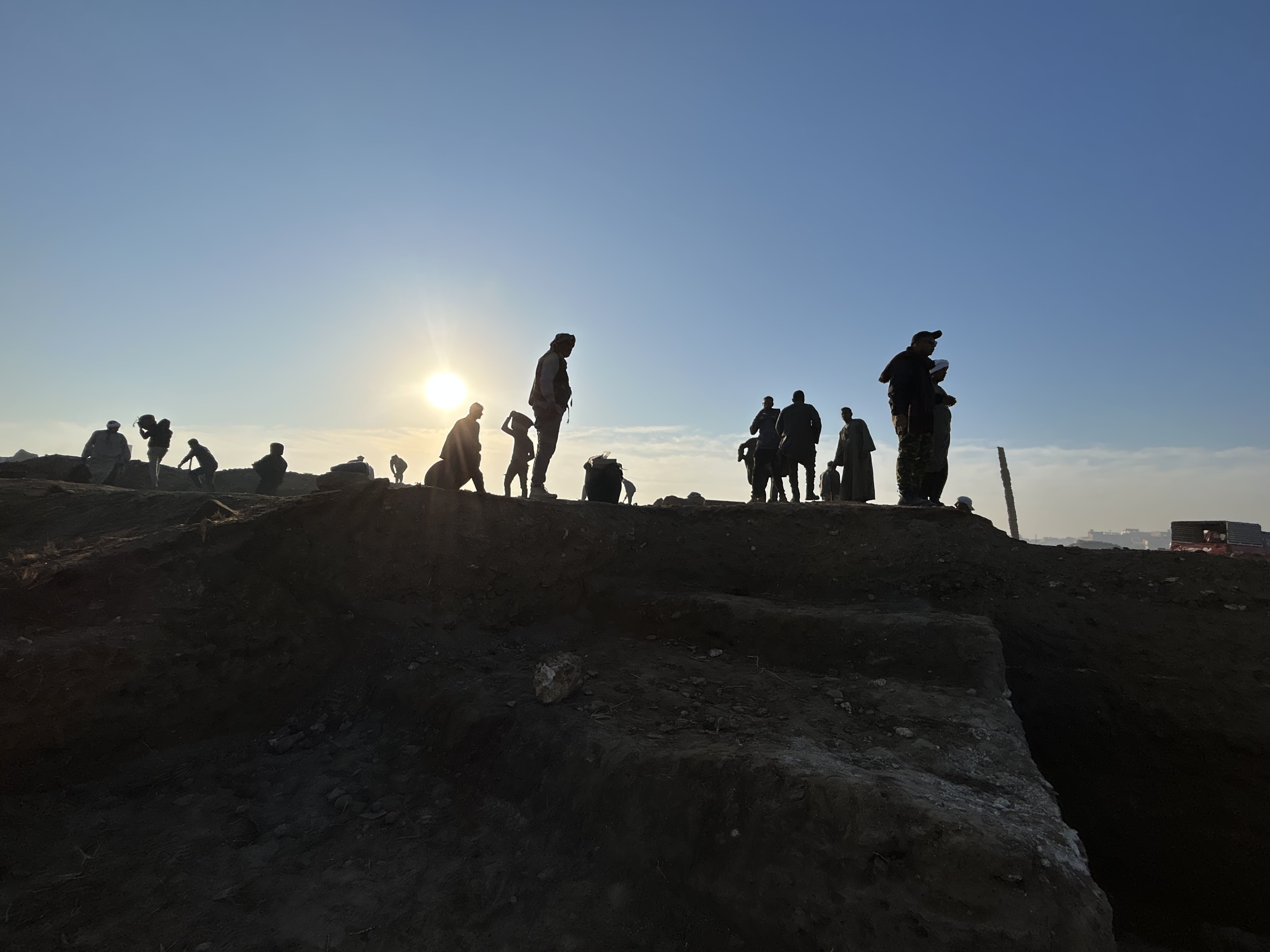
Read the full storyA visual journey through the site of Hermopolis Magna
.jpg)
.jpg)
The institute is led by specialists in Ptolemaic and Roman Egypt.
Director, Aigyptos Institute
Co-Director, City of the Baboon Project
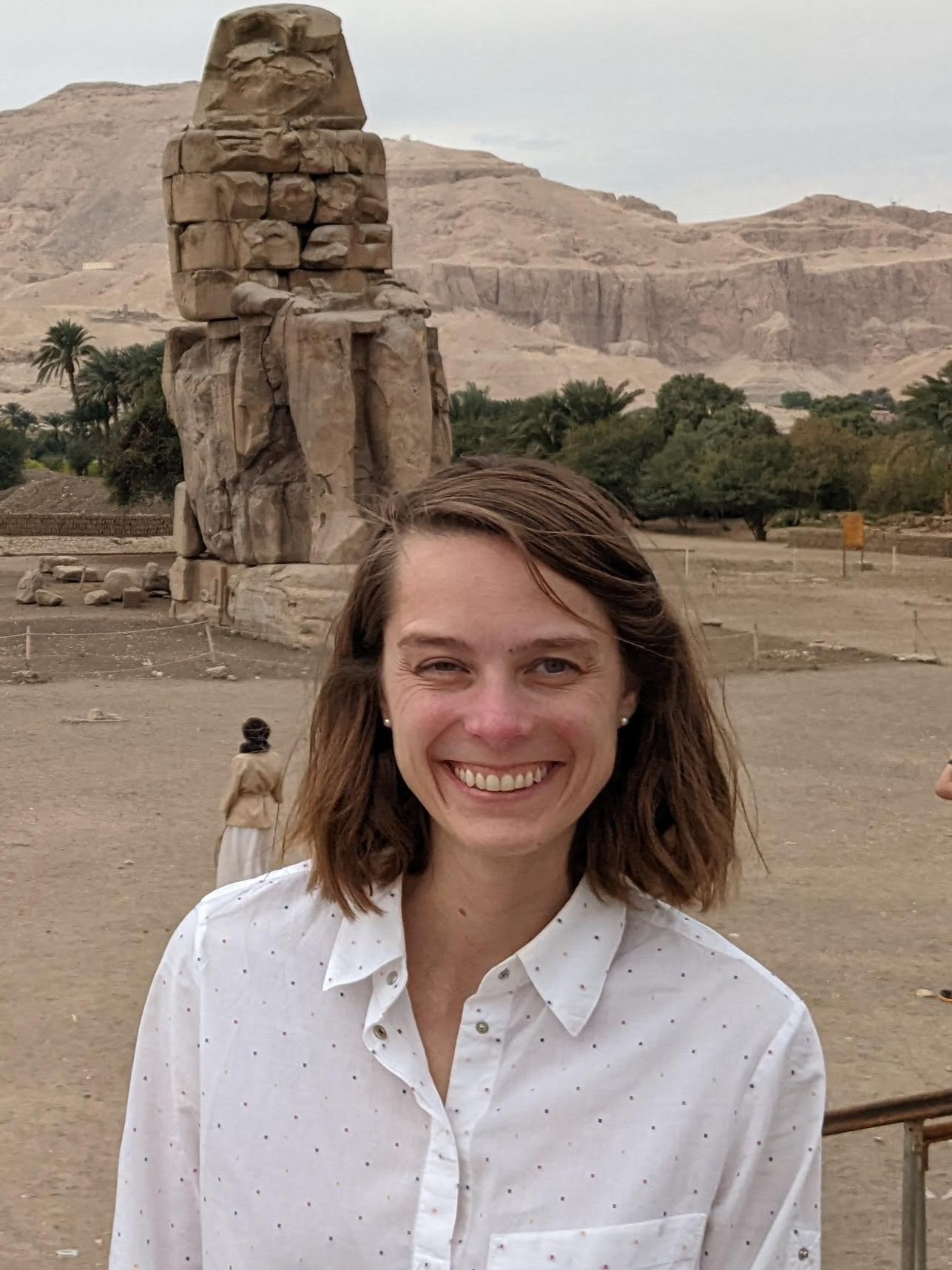
Assistant Professor of Classics at CU Boulder. Together with Dr. Gehad, she made the important discovery of The New Euripides papyrus in Ancient Philadelphia in the Fayoum.
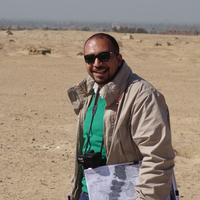
Co-Director, City of the Baboon Project
Archaeologist with the Egyptian Ministry of Tourism and Antiquities. Co-discoverer of the New Euripides papyrus and co-director of the City of the Baboon project.
In collaboration with
The Aigyptos Institute is a 501(c)(3) non-profit organization. Your contributions directly support the excavation, conservation, and study of Hermopolis Magna. Donations are tax-deductible to the extent allowed by law.
Make a secure, tax-deductible donation instantly via Credit Card or ACH Bank Transfer.
Secure Payment Processing
For significant gifts, endowments, or to donate via check or wire transfer, please contact us directly.